
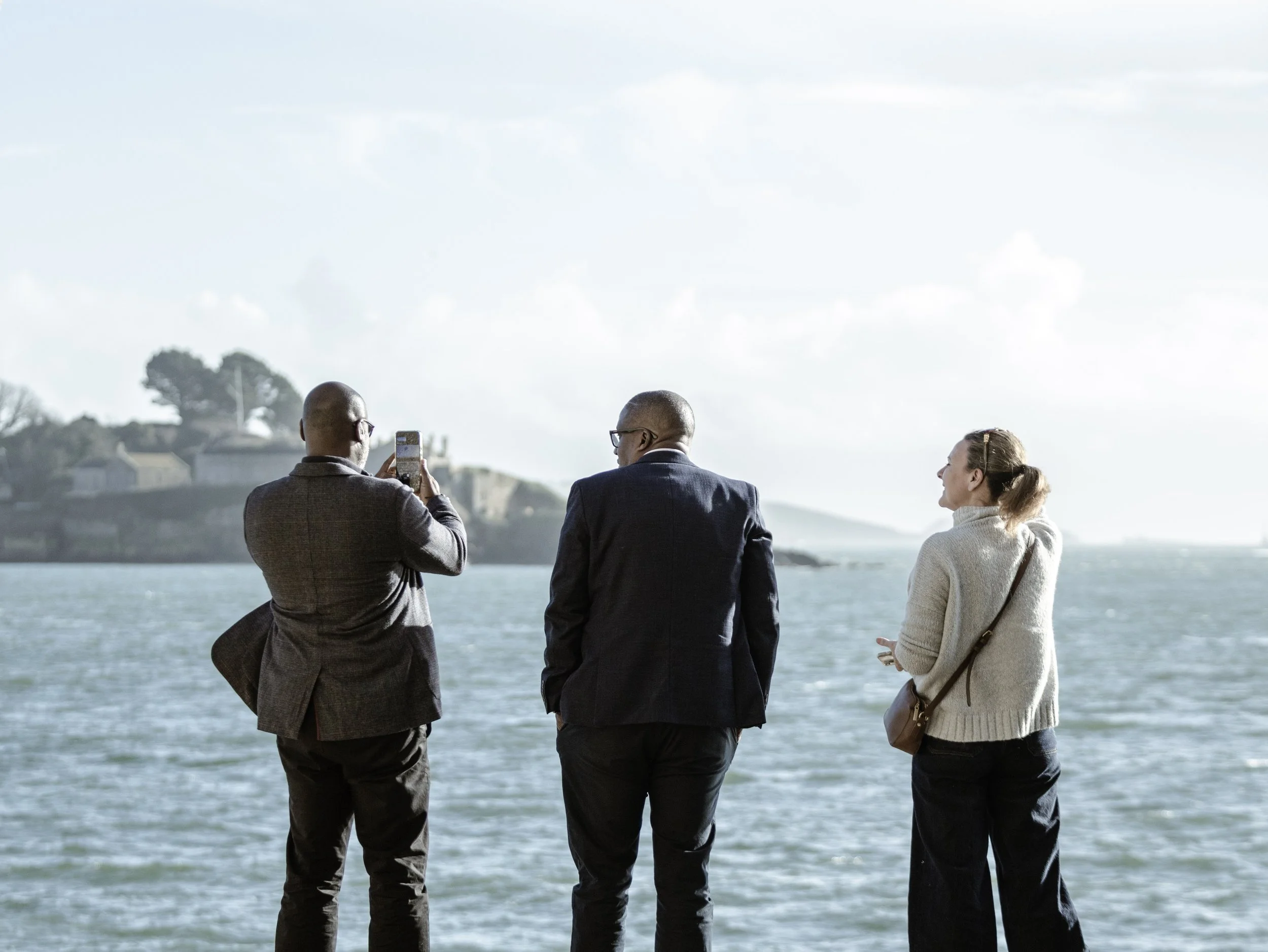
A neutral civic space that brings the whole system into the same room - on equal terms - to create shared understanding, trust, and coordinated action.
The Problem
Most places don’t struggle because of a lack of ideas.
They struggle because the people who need to work together rarely sit together - and when they do, they’re not speaking from the same diagnosis.
The Forum changes that.
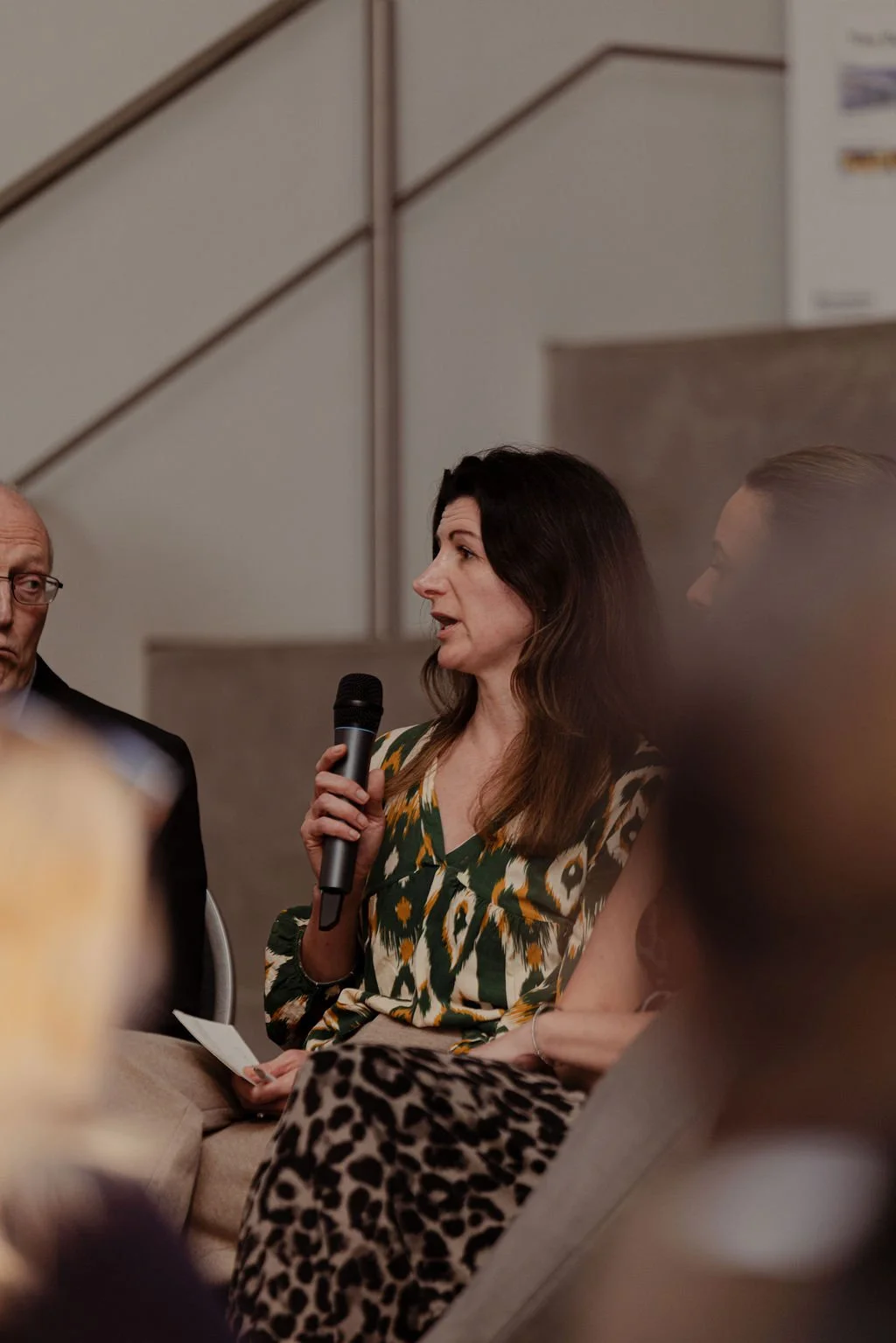
What the Forum Does
Surfaces real constraints - not just aspirations, but the actual barriers to change
Reduces duplication - identifies where effort overlaps and where gaps exist
Creates shared ownership - moves the conversation from “them” to “us”
Builds trust and psychological safety - creates the conditions for honest dialogue
It is the moment where a fragmented place becomes a collective one.
What Leaders are Saying
-
![A woman with long, wavy hair smiling with visible teeth, wearing a gray sleeveless top, and standing against a plain, light-colored background.]()
“The Inclusive High Street Forum provided a valuable opportunity to step back and look at Plymouth’s high street challenges as a system — not a series of isolated projects. That kind of alignment is essential as we plan for long-term, inclusive regeneration.”
— Emma Wilson, Head of Regeneration, Plymouth City Council
-
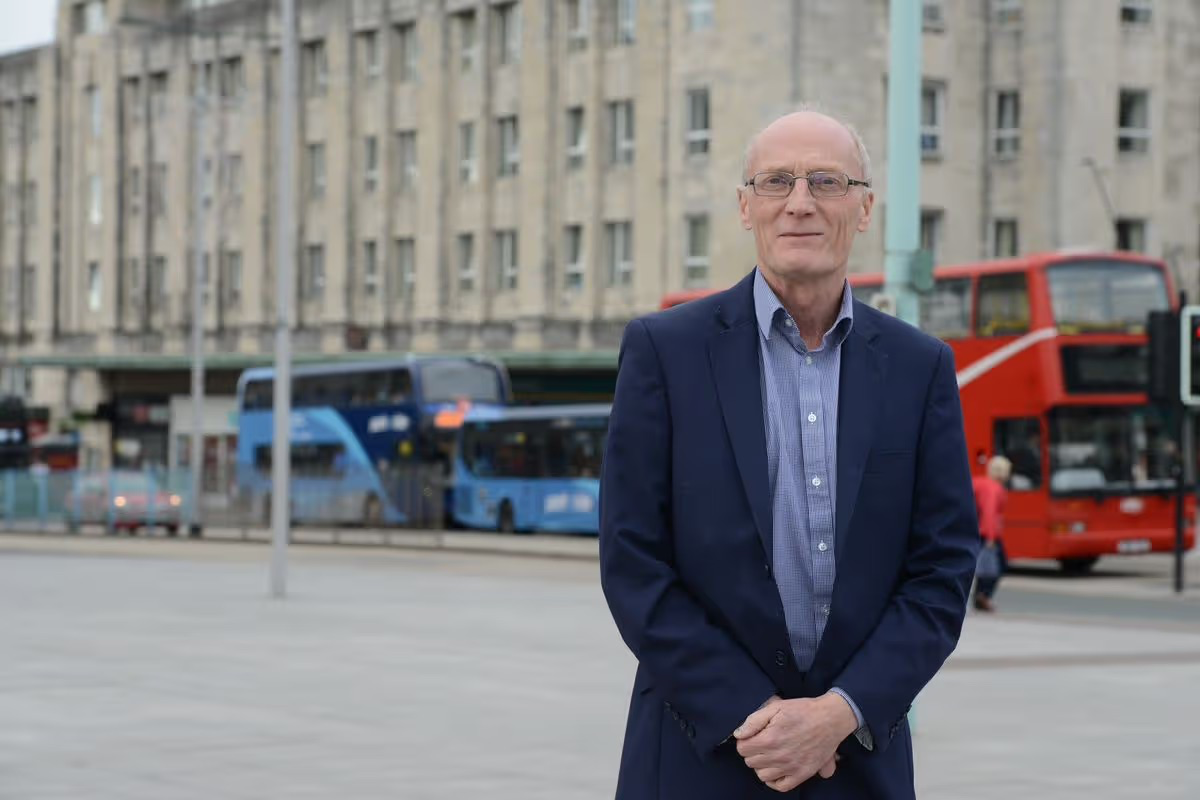
![An elderly man in a dark suit and glasses standing outdoors near a city street with buses and buildings in the background.]()
“What stood out about the Inclusive High Street Forum was its focus on coordination rather than commentary. It brought together organisations that don’t always sit in the same room and helped establish shared priorities that can actually be delivered.”
— Stephen Hughes, CEO, Plymouth City Centre Company
-
![A middle-aged woman with blonde hair and blue eyes smiling, wearing a dark blouse and a silver necklace, indoors with warm lighting in the background.]()
“For a city to be a great place to live and work, it is vital that culture, community, and economy work together. The Inclusive High Street Forum highlighted the enthusiasm and determination so many people have to make this happen.”
— Lindsey Hall MBE, CEO, Real Ideas
-
![A man with dark hair and a beard taking a selfie indoors, wearing a black polo shirt.]()
“The Inclusive High Street Forum acknowledged a reality many businesses see every day — that individual success depends on the health of the wider place. The focus on coordination and shared responsibility was refreshing and necessary.”
— Nick Higgins, CEO, Beacon Electrical, The South West’s largest high street electronics retailer
-
![A woman with curly red hair smiling at the camera outdoors with green foliage in the background.]()
“The UK’s first ever Inclusive High Street Forum brought Plymouth’s civic, business and cultural leaders together for the first time to think collectively about the future of the city centre - exactly the kind of joined up thinking we will need as we look ahead to opportunities such as the 2029 UK City of Culture Bid.”
— Sarah Gibson, CEO, Waterfront Partnership BID

Beyond the Boardroom: Why Culture Matters
The evolving high street isn’t just a place for transactions - it’s a space for connection, culture, and community.
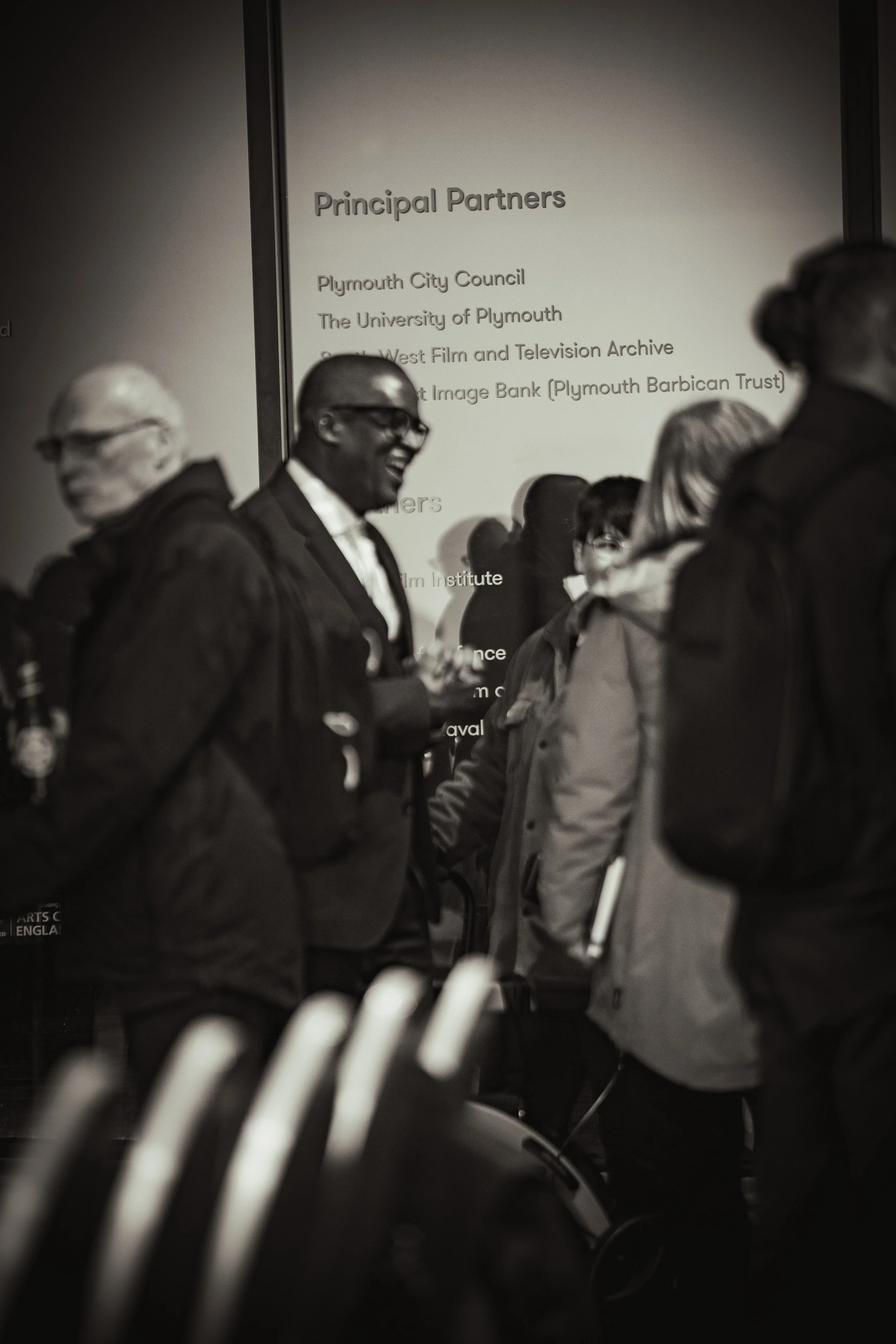
That’s why the UK’s first Inclusive High Street Forum wasn’t a typical stakeholder meeting. It brought together councils, businesses, and communities through:
• Live music - celebrating local talent and creating atmosphere
• Film screenings - bringing people together around shared stories
• Poetry and spoken word - giving voice to community experiences
• Cross-sector dialogue - councils, BIDs, businesses, artists, and residents in the same room
As a poet and admirer of art myself, I understand that place-making isn’t just about economic development - it’s about creating spaces where culture, commerce, and community can thrive together. The Forum was designed with this understanding at its core.
The result: BBC coverage, renewed energy across Plymouth, and a convening model that demonstrated what coordinated, inclusive place-making can look like when culture, commerce, and community align.
The Forum isn’t just a facilitation exercise. It’s a demonstration of what your high street can become.
Why the Forum Works
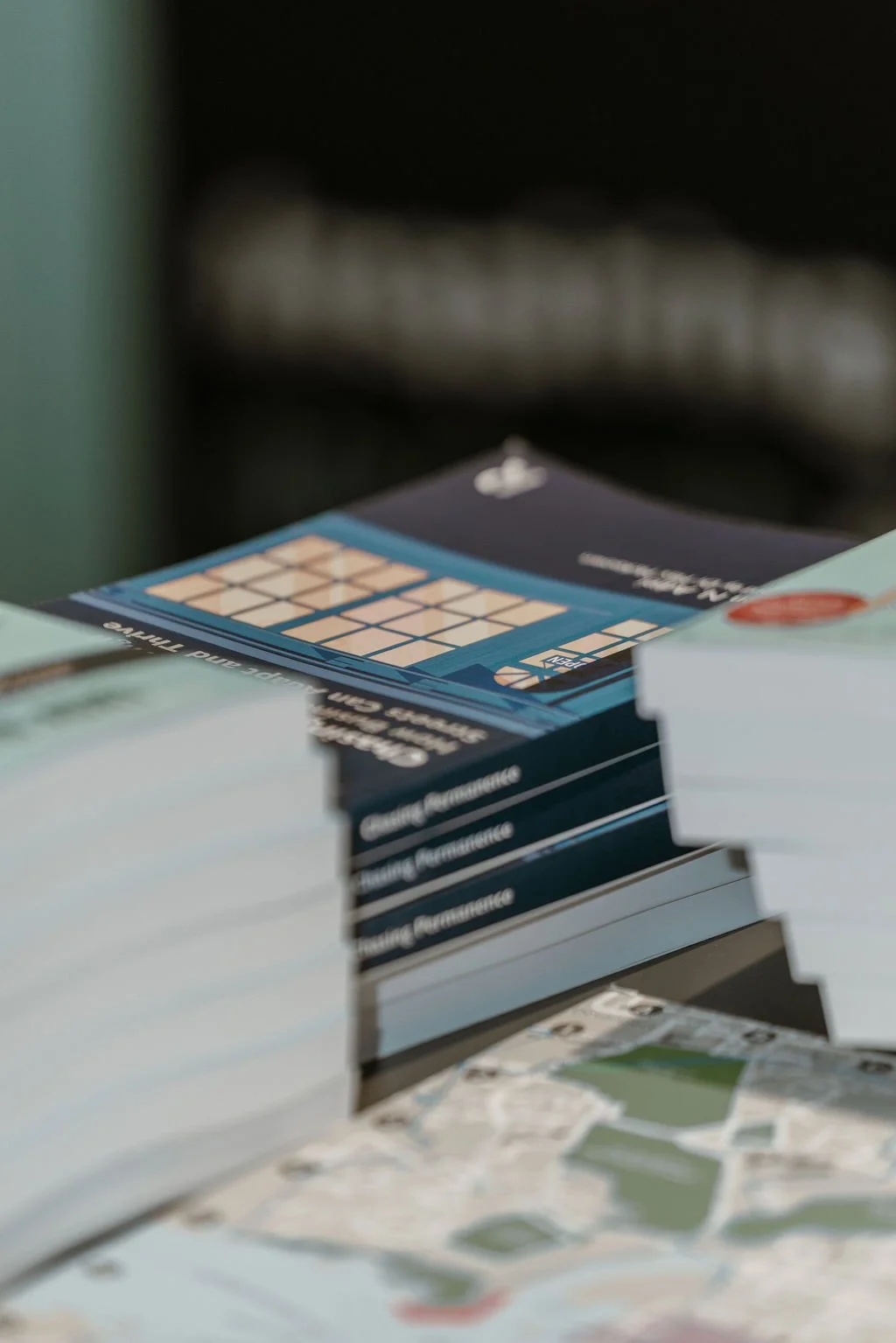
Grounded in the Chasing Permanence framework and shaped by 25 years working on the UK High Street - from Oxford Street to tiny villages in Cornwall - the Forum creates a space where people feel safe enough to be honest, and structured enough to make progress.
It recognizes that permanence isn’t built through reports or strategies alone - it’s built through tangible moments where the whole system experiences what coordinated action feels like.
And it understands that the high street has always been as much about culture and beauty as it has been about commerce. Coordination without culture is sterile. Culture without coordination is fragmented. Both are required for places to truly thrive.
Where the Forum Fits in Your Journey
The Forum is the moment that transforms fragmented stakeholders into a coordinated system.
01
Alignment Audit
Creates shared diagnosis and aligned priorities
02
The Inclusive High Street
Forum
The convening moment that turns clarity into collective commitment
03
Place Coordination
Sprint
Structured delivery over 8-12 weeks
What Happens on the Day
Shared framing of the local system using the 5 Determinants
Honest discussion of constraints, trade-offs, and real barriers
Cultural programming that demonstrates what the evolving high street can be
Cross-sector breakout sessions where councils, businesses, and community work together
Priority alignment - locking in the 3 outcomes everyone commits to
Commitment to next steps - named owners and coordination cadence
What Happens After
This is the part most “events” miss - and the part that makes the Forum work.
Priorities agreed - the 3 outcomes all stakeholders have committed to
Owners named - who is responsible for what
Coordination cadence set - 30/60/90-day rhythm for progress and accountability
The Forum creates momentum. The coordination work that follows turns momentum into delivery.
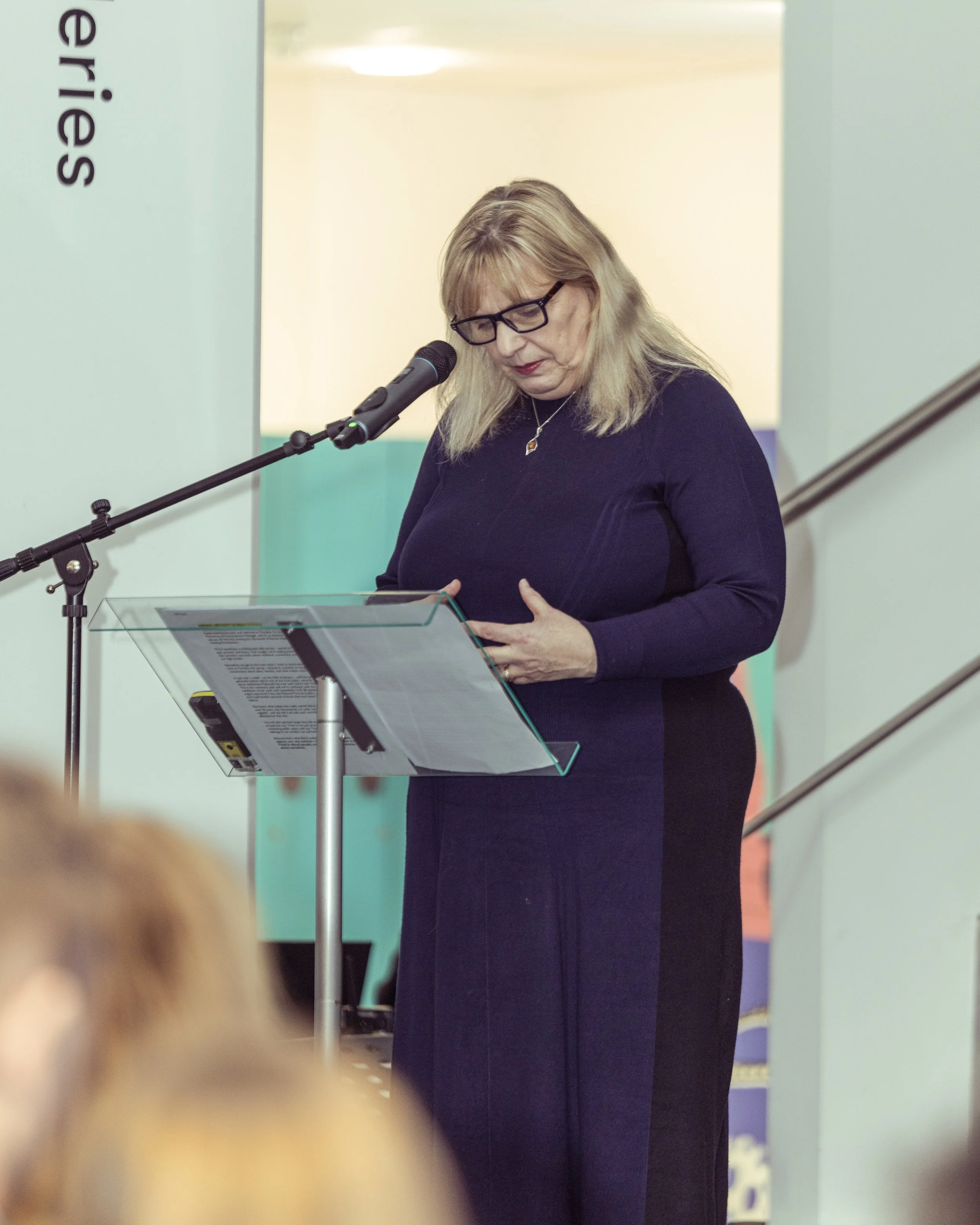
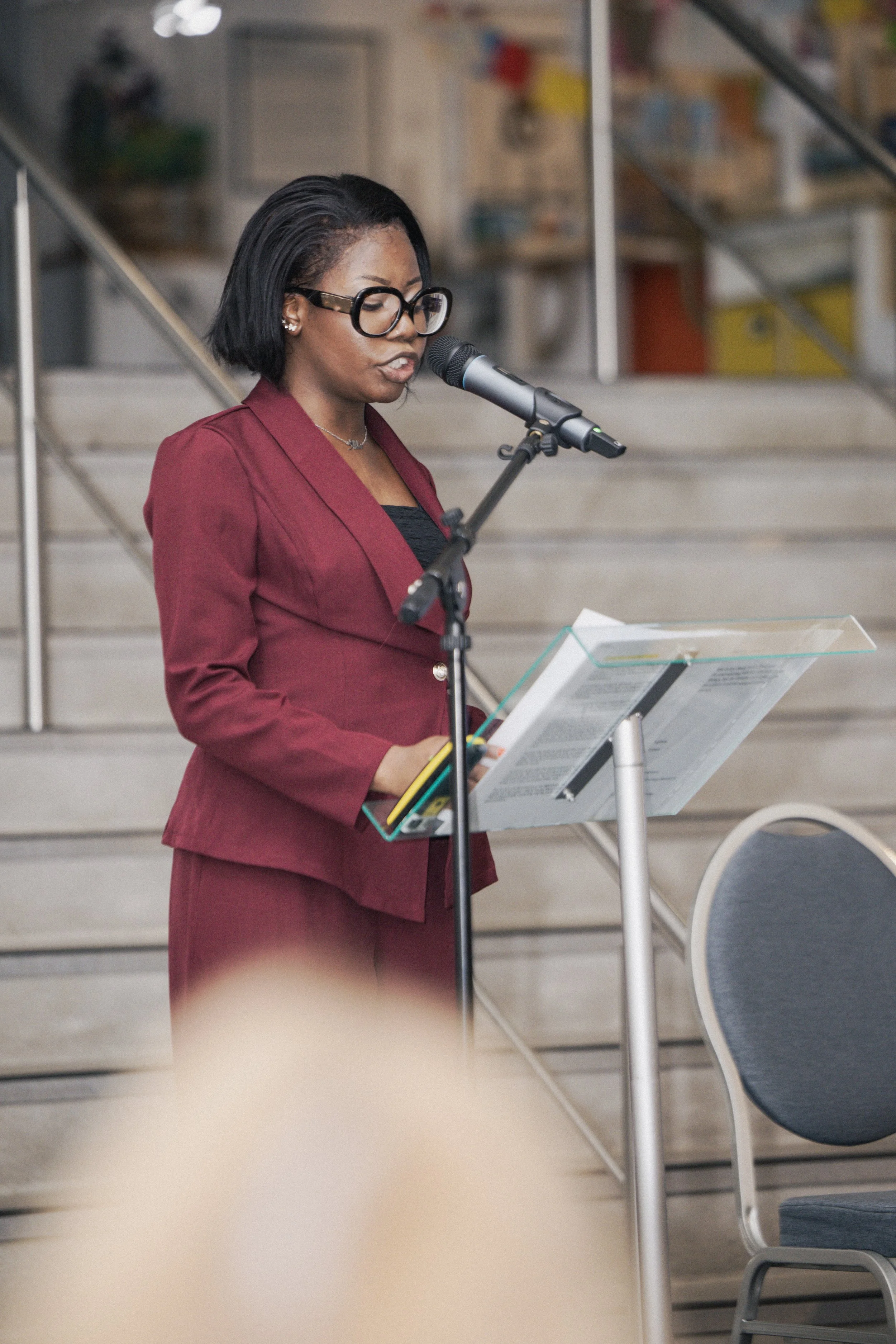
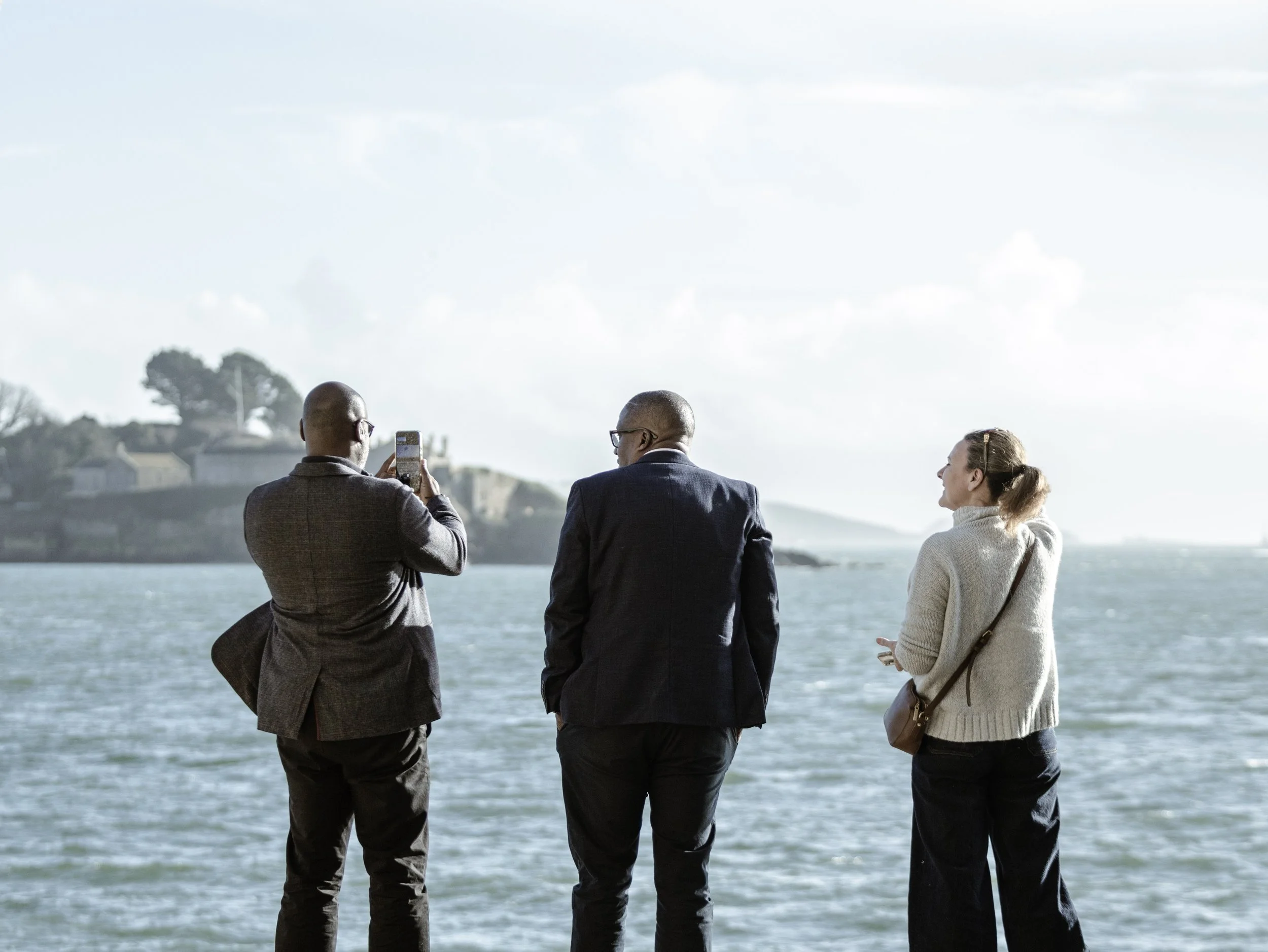
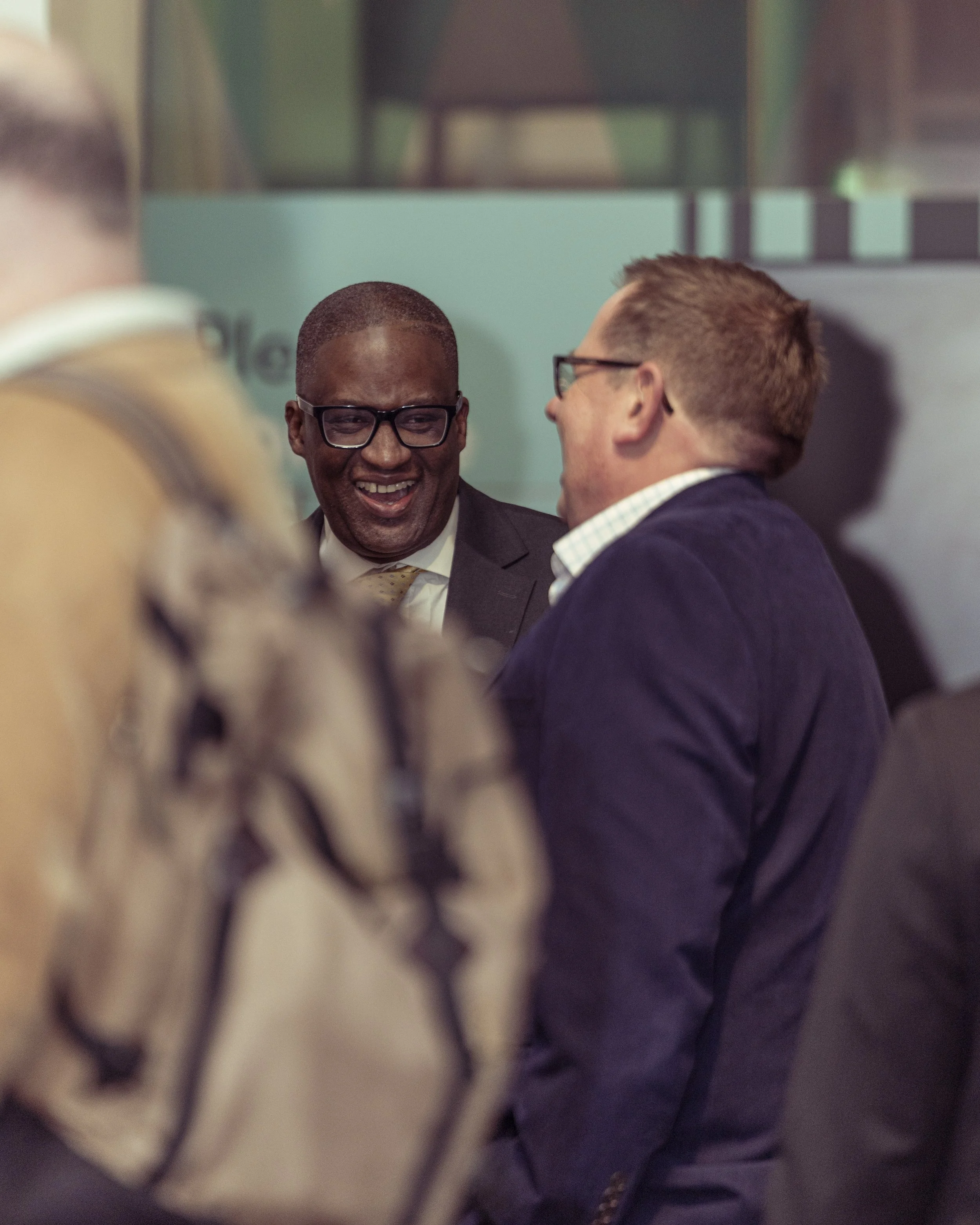
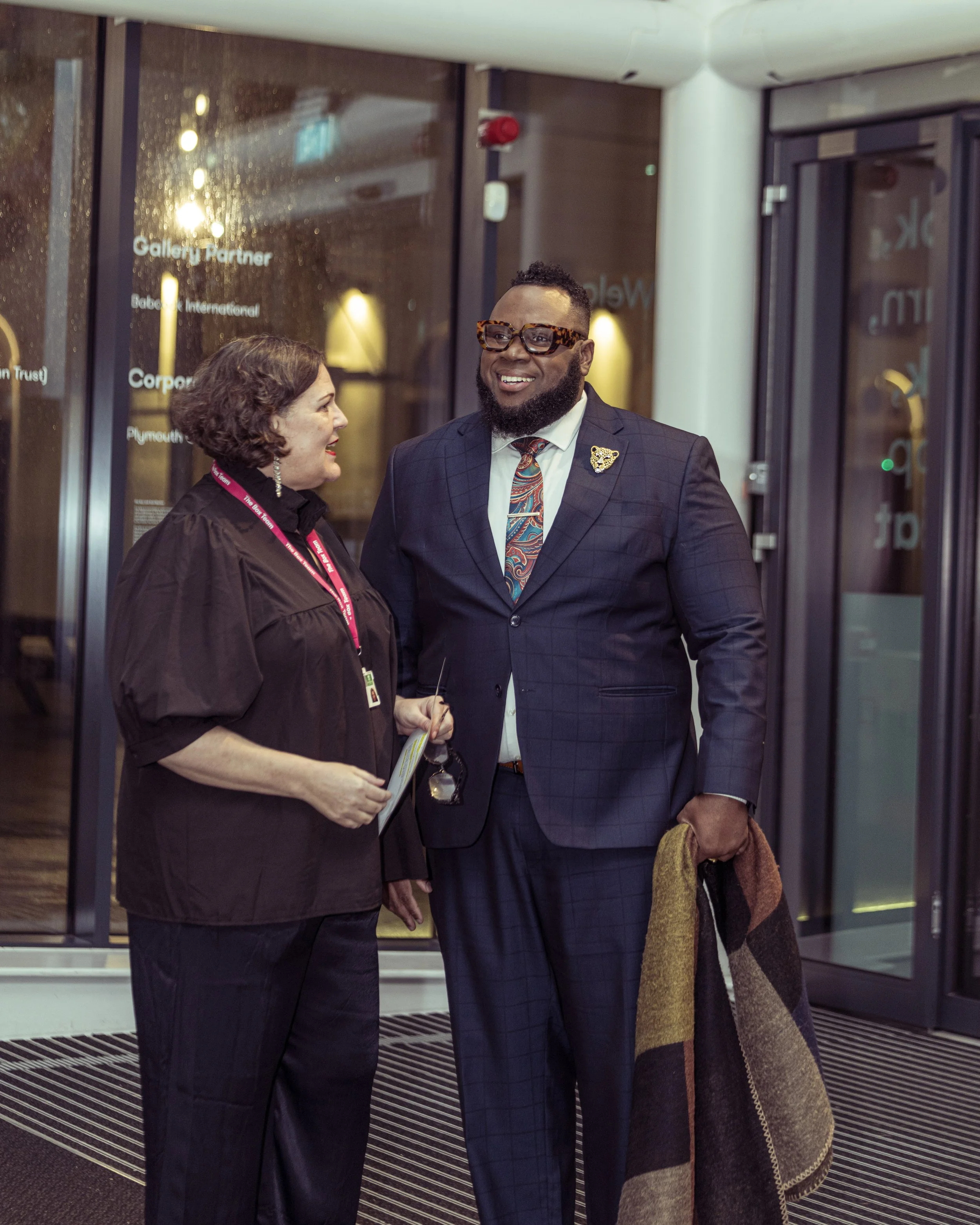
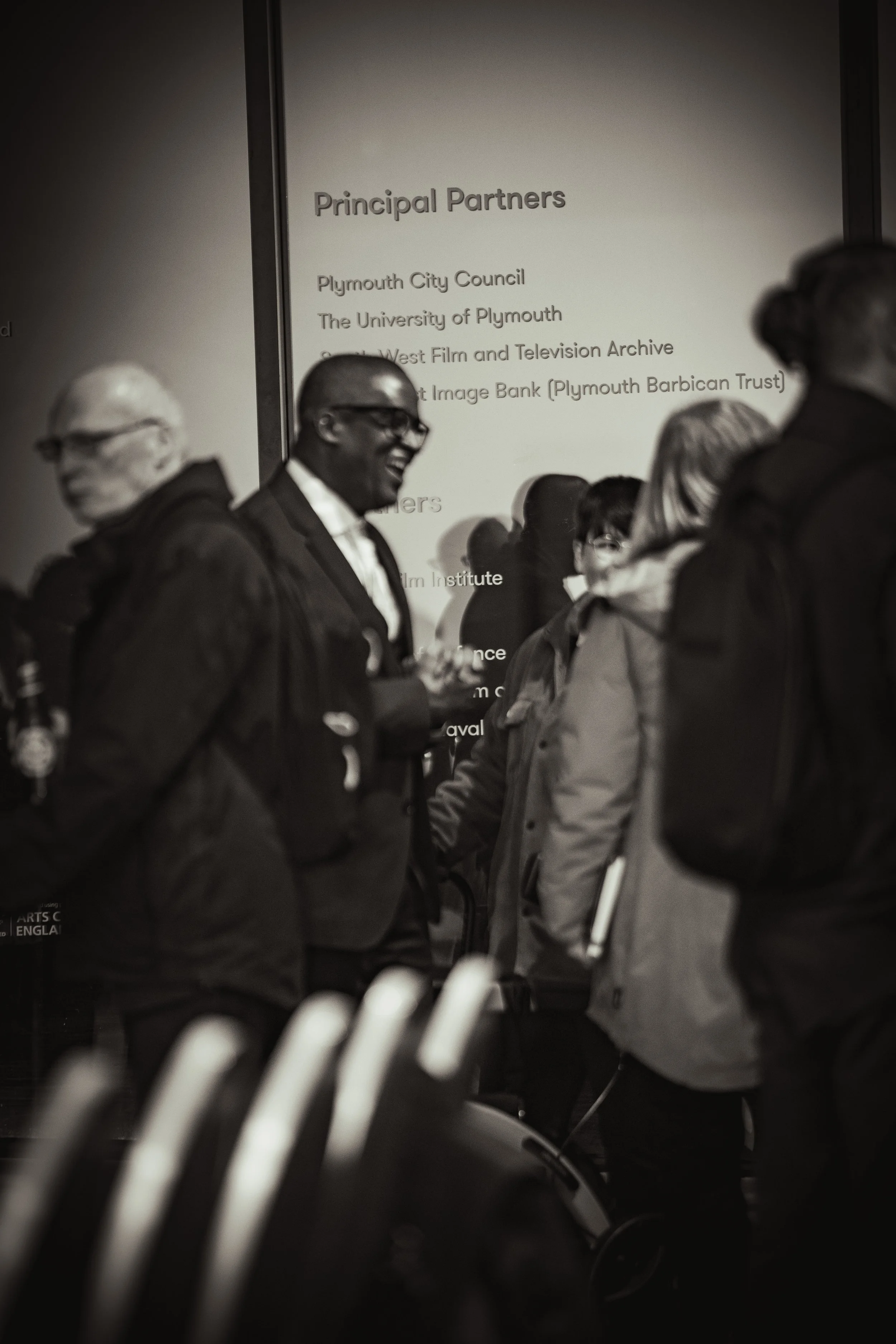
Proof of concept: Plymouth
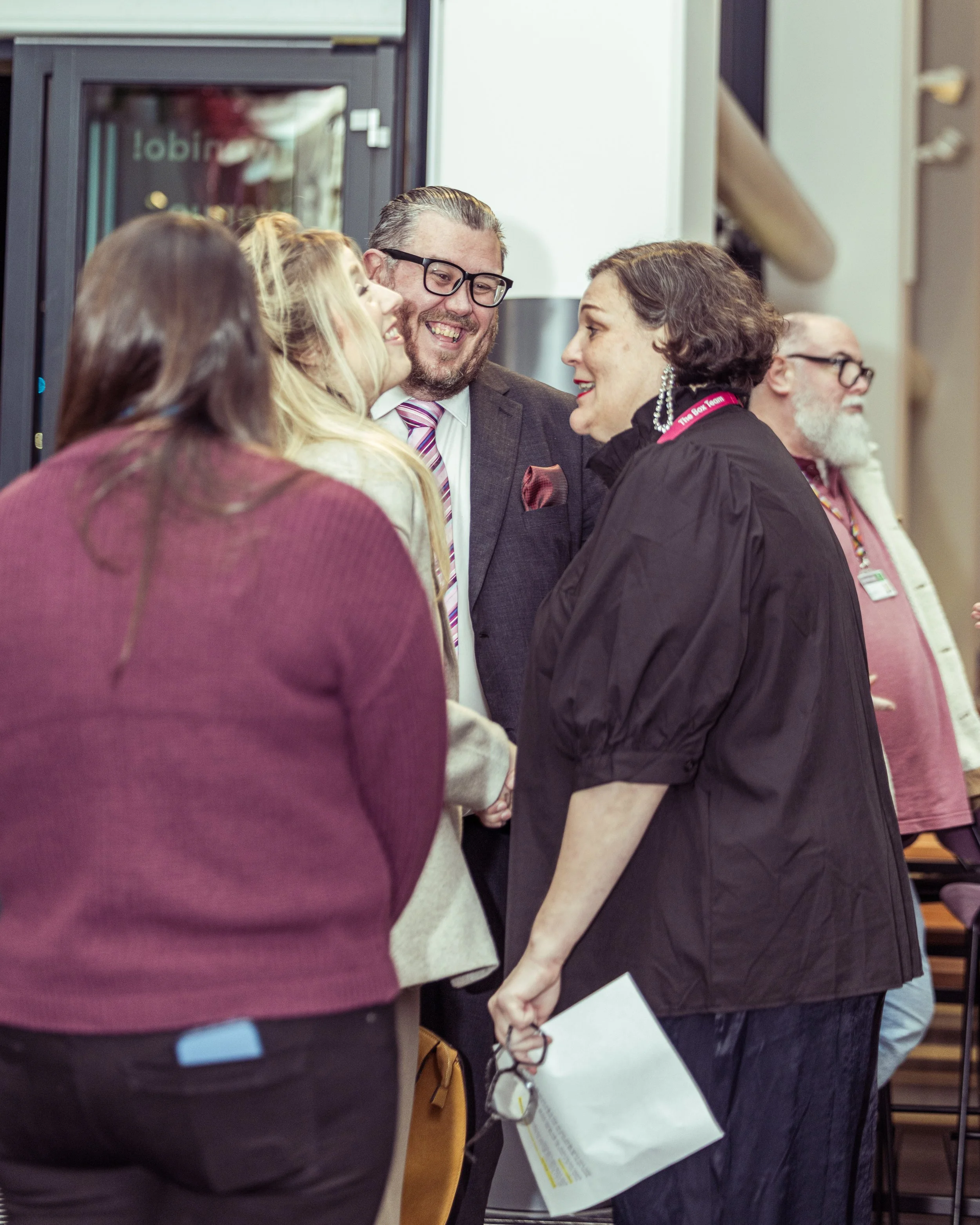
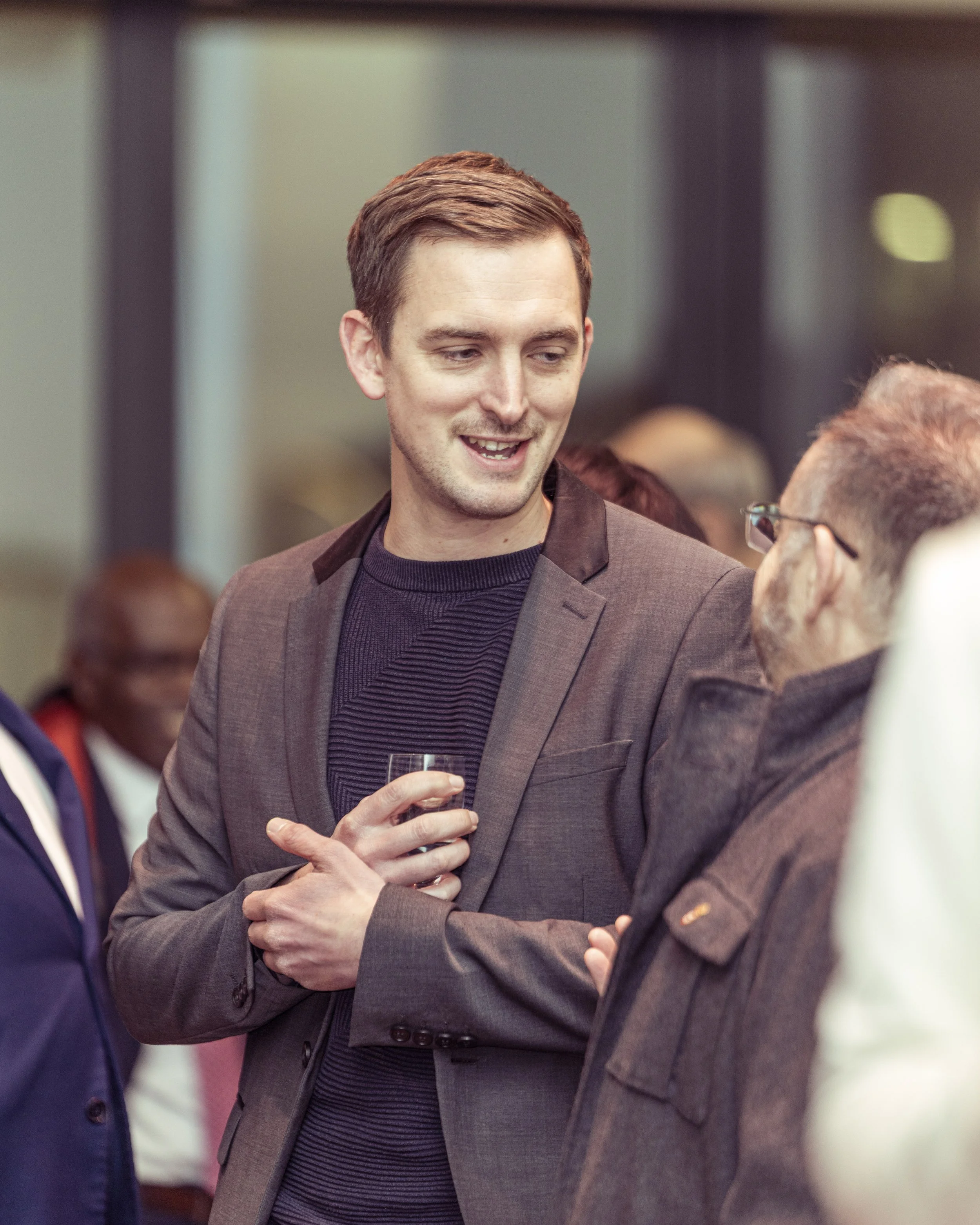
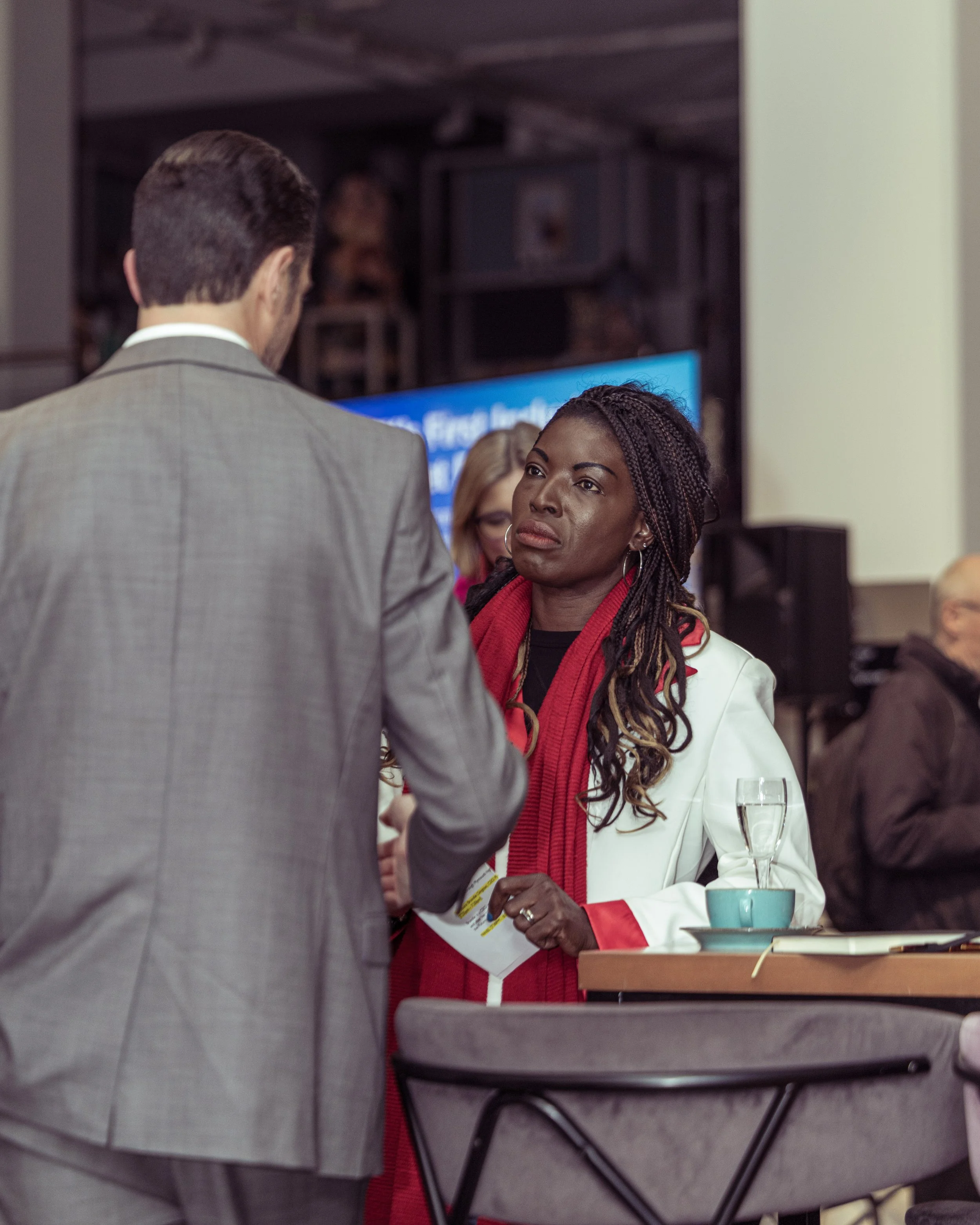
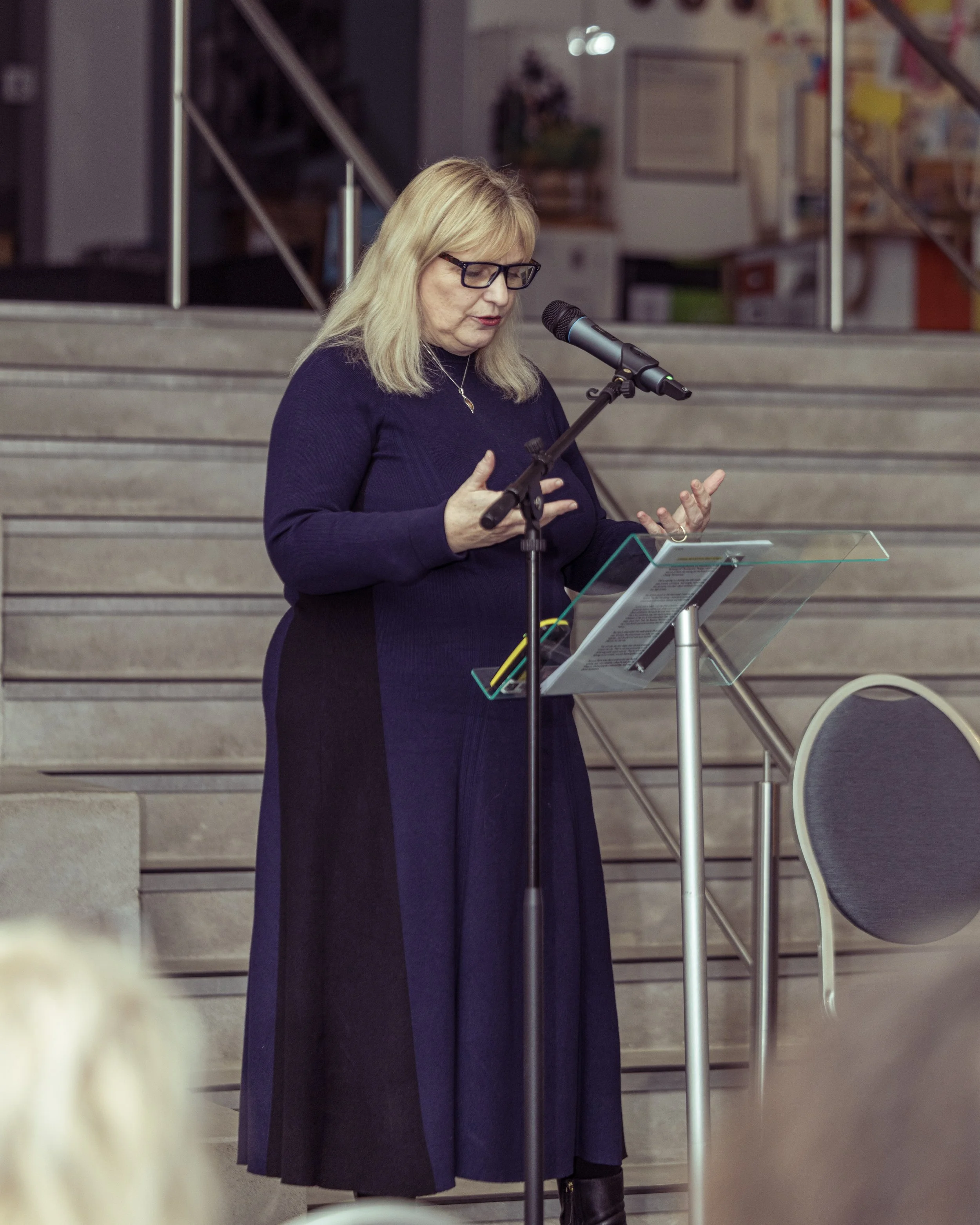
The UK’s first Inclusive High Street Forum brought together:
Plymouth City Council
Plymouth BID (City Centre Company)
Independent businesses and anchor retailers
Community organizations
Local artists, musicians, and cultural leaders
The event included live music, film screenings, poetry, and facilitated dialogue - creating a space where honest conversation and cultural celebration happened together.
It was covered by the BBC and created renewed commitment to coordinated action across the city.
-
• Towns and cities preparing for regeneration or major structural change
• Places where stakeholders are fragmented or working in silos
• Councils and BIDs ready to create a convening moment that builds momentum
• Communities that recognize the high street is evolving and want to shape that evolution together
-
• One-off “visioning” exercises without a pathway to delivery
• PR or marketing events
• Places not ready to commit to coordination after the Forum